
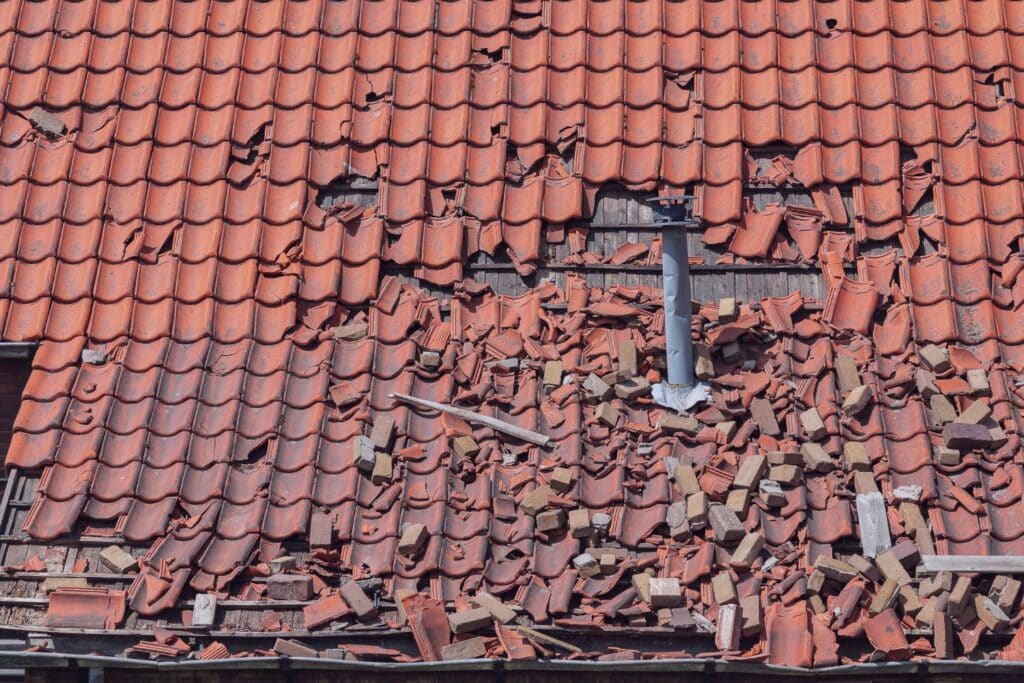
Spanish roof tiles stand out because of their curved shape and old-world style, but looks alone do not make them the best choice for every home. Across the Southern and Southeastern U.S., strong storms, high winds, salt air, and flying debris create conditions that Spanish tiles do not always handle well.
Many homeowners like the appearance, but the tiles can crack easily, shift out of place, and cost more to maintain. These issues often show up during roof inspections, especially when homeowners are comparing roofing options or preparing to upgrade to a FORTIFIED roof.
This guide explains the most common problems with Spanish roof tiles and offers three safer roofing alternatives that work better in storm-prone regions along the Gulf Coast.
Why Aren’t Spanish Roof Tiles an Optimal Material?
Spanish tiles are heavier, more brittle, and more sensitive to wind uplift than many people expect.
While they may perform well in mild climates, they are by no means the most durable shingle material available. Homes in Gulf Coast states face powerful storms, tornado activity, and tropical systems almost every year, meaning their roofs need to be able to withstand.
That means roofing materials must stay anchored, resist cracking, and handle repeated changes in temperature and humidity. Spanish tiles often struggle with these demands, which is why many homeowners eventually consider different roofing systems, especially if they plan to pursue a FORTIFIED designation.
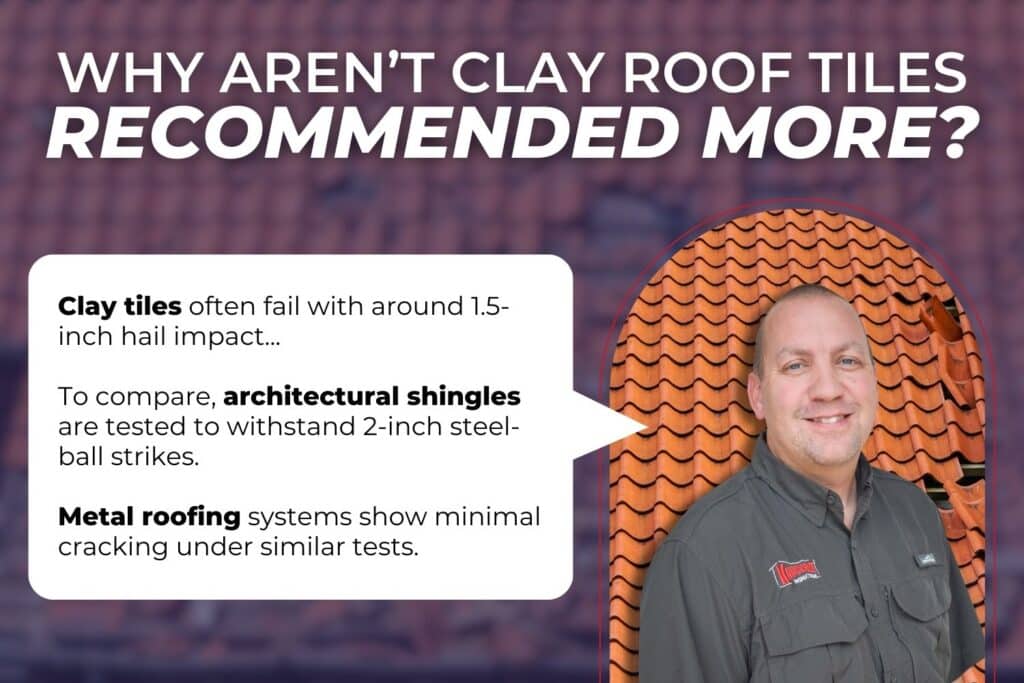
Industry studies show that clay tiles often fail at around 1.5-inch hail impact, but Class 4 architectural shingles are tested to withstand 2-inch steel-ball strikes, and metal roofing systems show little to no cracking under similar tests.
Cracking and Breakage From Wind and Debris
The curved tile shape leaves sections of the roof exposed to impacts. When tree limbs, shingles, or flying debris strike during storms, the tiles can crack. Even a small crack can grow over time as water enters and expands inside the tile.
Signs of tile damage include:
- Thin hairline cracks across one or more tiles
- Chips along the edges
- Loose fragments in gutters
- Visible tile movement after a storm
A single damaged tile may not seem serious at first, but a cracked surface allows moisture to reach the roofing underlayment. Over time, this can lead to interior leaks.
Inspectors often find cracked tiles in neighborhoods with older oak trees or areas with more airborne debris during high wind events.
Tiles That Shift Out of Place
Spanish tiles rest in overlapping rows. While this pattern looks smooth, it also gives the wind more room to lift a tile and move it out of position. This is one of the top problems inspectors find after tropical storms and strong straight-line winds.
Tiles may shift if:
- The fasteners loosen
- The tile was not installed tightly
- Wind pressure lifts the curved edges
- Moisture buildup weakens the underlayment
Once tiles slide or lift, water can enter the gaps. This leads to wet underlayment and soft spots that may only become visible during an inspection or attic walk.
Weight and Structural Stress
Spanish tiles are heavier than many people realize. This weight requires extra framing support. Homes not originally built for tile may experience sagging or stress along the roof structure.
Signs of structural stress include:
- A wavy or uneven roof line
- Cracking at the tops of walls indoors
- Gaps between rafters and decking were noticed during attic inspections
Homes across the Gulf Coast vary widely in age, and older structures sometimes lack the load capacity needed for heavy tile roofing. This creates long-term maintenance challenges and increases repair costs.
High Repair and Replacement Costs
Replacing a single tile can be expensive, especially when color matching is difficult. Tile roofing also requires specialized installation and repair knowledge.
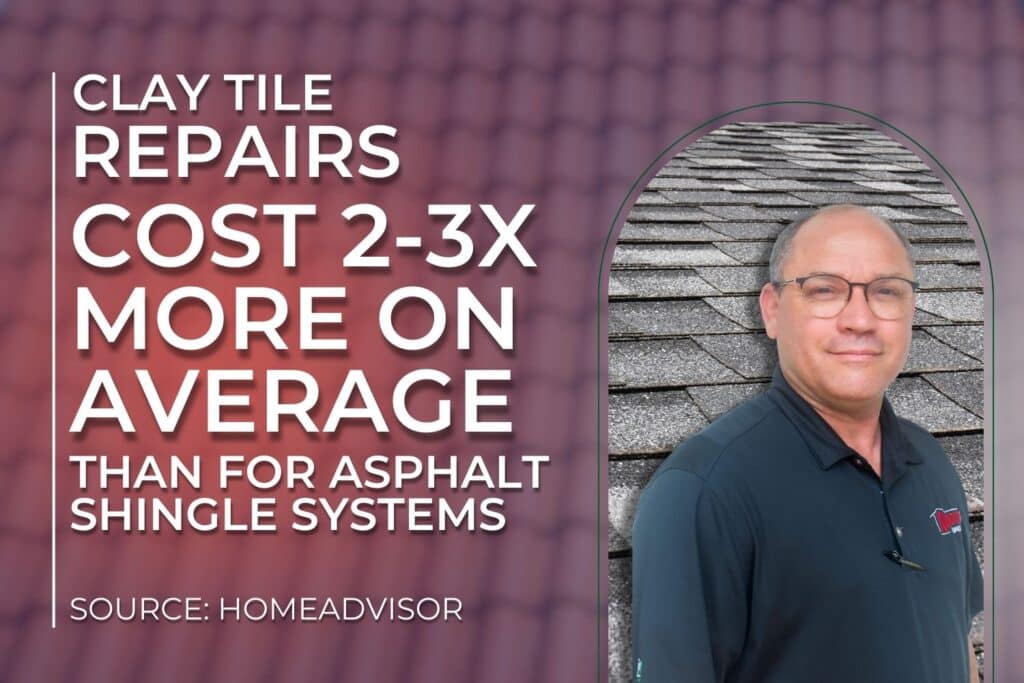
Many homeowners are surprised when they learn that replacing a small damaged section often costs more than replacing a much larger section on a different roofing system.
Common cost points include:
- Matching tile color or style when the original manufacturer no longer produces the same line
- Fixing underlying moisture damage
- Reworking the underlayment that lifts or tears under tile weight
These high repair costs often lead homeowners to explore other roofing materials that perform better and last longer in local climate conditions.
Risk of Hidden Leaks
Because tiles overlap, water can travel between them and reach the underlayment long before a leak becomes visible indoors. The issue may stay hidden for months or even longer.
Inspectors often find hidden leaks when checking:
- Attic sheathing for dark discoloration
- Nail holes where moisture has seeped through
- Soft or peeling underlayment
- Mold or musty smells near the roof deck
Homeowners may not realize they have a roofing problem until a professional inspection points out early signs of water intrusion.
Maintenance Requirements That Add Up
Spanish tiles need more routine care than many modern roofing materials. To keep them in good condition, homeowners must stay ahead of breakage, dirt buildup, moss, and storm damage.
Maintenance tasks may include:
- Clearing debris from valleys and flashing areas
- Replacing cracked tiles one by one
- Cleaning moss or algae that forms in shaded areas
- Securing tiles that shift out of place
In storm-prone regions like Alabama, Florida, Louisiana, Mississippi, and Oklahoma, these tasks can add up quickly.
Why Homeowners Look for Safer Alternatives
Most homeowners want a roof that can handle strong winds, heavy rain, and rapid weather changes without needing constant repairs. Spanish tiles may look appealing, but they often lack the resilience required for Gulf Coast conditions.
People also turn to alternative roofing materials when they:
- Plan to sell soon and want fewer inspection issues
- Want a FORTIFIED designation for insurance savings
- Prefer lower-maintenance roofing systems
- Need a roof that performs well against hail and flying debris
This shift has made three roofing systems especially popular across the region.
Safe Alternative 1: Architectural Asphalt Shingles
Architectural shingles offer strength, durability, and better impact resistance than standard shingles. They are lighter than tile, easier to install, and more wind resistant when properly nailed and sealed.
Benefits include:
- Lower installation and repair costs
- Strong wind ratings for many models
- Good performance during tropical storms
- Wide range of colors that fit many home styles
Inspectors often see architectural shingles performing well during high wind events where Spanish tiles crack or shift.
Safe Alternative 2: Metal Roofing
Metal roofing is one of the strongest choices for storm-prone regions. It resists cracking, wind uplift, and corrosion.
Advantages include:
- Long lifespan
- High wind resistance
- Strong performance under hail and debris
- Lightweight material that reduces stress on framing
Metal roofs also shed water quickly, which helps prevent leaks and moisture issues that tile roofs often hide.
Safe Alternative 3: FORTIFIED Roof Systems
A FORTIFIED Roof is one of the best ways to improve durability. Instead of focusing on one roofing material, the FORTIFIED standard focuses on the entire roofing system, including decking, sealing, fasteners, and edges. This approach helps roofs stay intact during strong storms.
FORTIFIED roofs work with different materials, including metal and shingles, and are designed to:
- Reduce the chance of roof loss during storms
- Keep wind and rain out of the home
- Provide a stronger barrier at edges and joints
- Offer insurance savings in many Gulf Coast states
Knockout Inspections plays a key role in helping homeowners understand the condition of their current roof and whether it is a good candidate for a FORTIFIED upgrade.
Related Questions Homeowners Often Ask
Can Spanish tiles qualify for a FORTIFIED roof?
Most Spanish tile systems do not meet FORTIFIED standards because the tiles can crack or lift under wind pressure. Stronger, more secure materials are usually recommended.
How do I know if my tile roof has hidden leaks?
Signs include musty smells in the attic, darkened roof decking, raised underlayment, or past repairs that no longer blend. An inspection is the safest way to check.
Are lighter roofing materials better for older homes?
They can be. Older framing may not support the weight of tile. Asphalt shingles and metal roofing place less stress on the structure.
What roofing issues do inspectors find most often?
Cracked tiles, shifting tiles, loose flashing, soft decking, and moisture damage under tiles are among the most common problems noted during inspections.
When to Call a Professional
Contact a professional when the roof shows signs that moisture, wind, or structural stress may already be affecting the home. Spanish tile issues often develop under the surface, and many homeowners do not see the early warning signs until an inspection reveals hidden damage.
You should schedule an inspection if you notice:
- Cracked, chipped, or loose tiles
- Tiles that have shifted after wind or storms
- Darkened or soft roof decking in the attic
- Sagging or uneven areas along the roof line
- Water stains on ceilings or upper walls
- Debris collecting in tile valleys or around flashing
- Repeated tile movement after repairs
These conditions often point to underlayment failure, rising moisture levels, or framing stress from tile weight. A professional inspection helps determine how widespread the issues are and whether the roof is suitable for continued repairs or if a different system would offer better long-term protection.
Our team evaluates tile roofs, checks for hidden leaks, reviews attic conditions, and helps homeowners understand whether their roof meets the performance needed for strong weather events or for planning a future FORTIFIED upgrade.
Conclusion
Spanish roof tiles have a classic look, but they often fall short in storm-prone regions along the Gulf Coast. Cracking, shifting, hidden leaks, and high repair costs make them challenging to maintain. Safer alternatives like architectural shingles, metal roofing, and FORTIFIED roof systems offer stronger protection and better long-term performance.
If you want to understand how your current roof is holding up or whether a different roofing system would serve you better, Knockout Inspections can help you make an informed decision with a clear, detailed evaluation.