
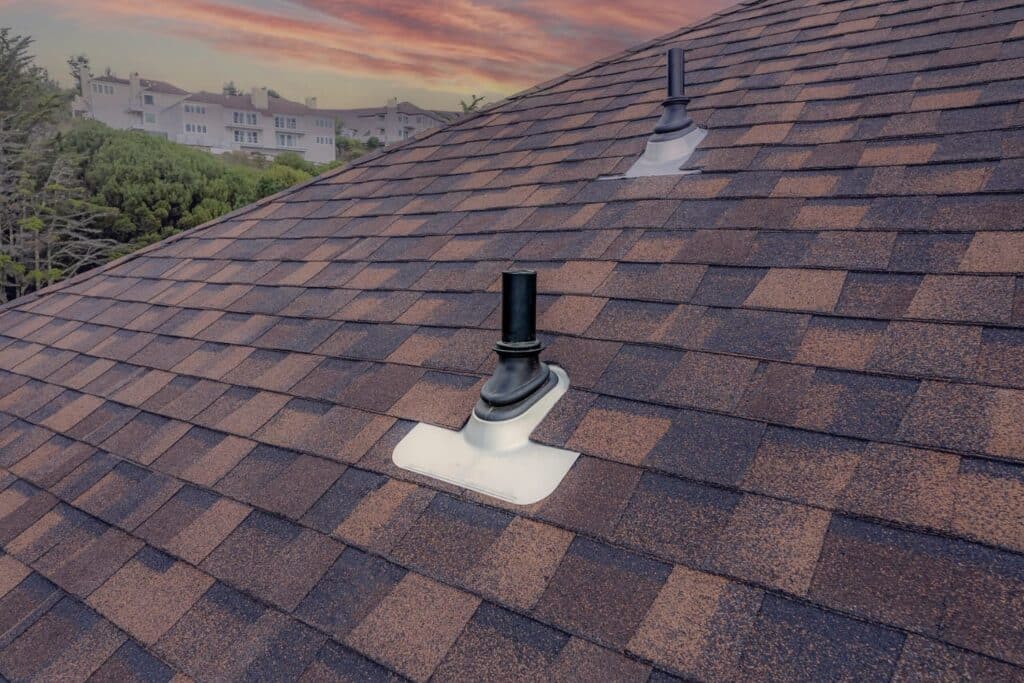
The proper installation of roof flashing is one of the smallest visible components of a roofing system, but it plays one of the most critical roles in protecting a home.
Flashing is designed to manage water at the points where roofs intersect with walls, chimneys, vents, and other penetrations. When flashing is installed correctly, it directs water safely away from vulnerable areas. When it is installed poorly, water intrusion can spread far beyond the roof itself.
In storm-prone regions such as Florida, Alabama, Mississippi, Louisiana, and Oklahoma, roof flashing performance becomes even more important. Heavy rain, wind-driven storms, and hurricanes place extreme pressure on roof systems.
Knockout’s team frequently identifies flashing defects during home inspections, insurance inspections, and FORTIFIED roof evaluations, especially in homes that otherwise appear well-maintained. Here’s what we think you should know as a homeowner.
What Roof Flashing Is and Why It Matters
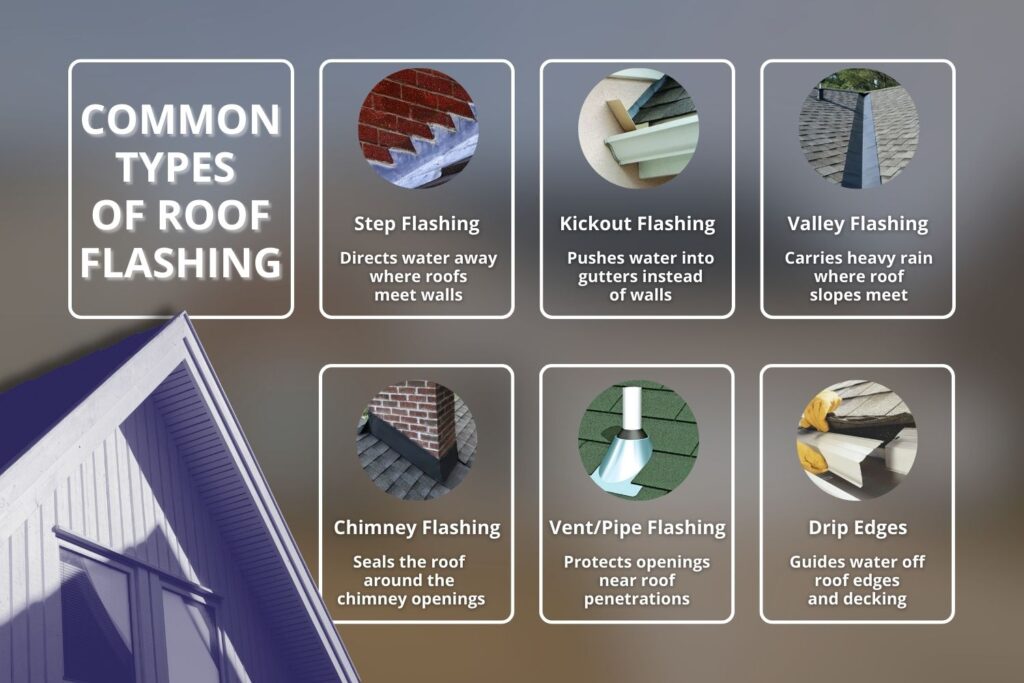
Roof flashing is typically made from metal or similarly durable materials and is installed at areas where roofing materials alone cannot provide reliable water protection. These areas include transitions, joints, and penetrations where water naturally collects or flows.
Common flashing locations include:
- Roof to wall intersections
- Chimneys and skylights
- Roof valleys
- Plumbing vents and exhaust penetrations
- Roof edges and gutter connections
The primary function of flashing is to redirect water away from these vulnerable points and back onto the roof surface or into the gutter system. Shingles and roof coverings are designed to shed water downward, not sideways or upward. Flashing compensates for that limitation.
When flashing is missing, incorrectly sized, poorly sealed, or improperly layered, water can bypass the roofing system and enter the home.
How Roof Flashing Works Within the Roofing System
A roof is a system made up of multiple layers that must work together. Flashing is not a standalone component. It must integrate properly with each layer to perform as intended.
A properly installed flashing system works in coordination with:
- Roof decking that supports the structure
- Underlayment that provides secondary water protection
- Roofing materials that shed water
- Wall assemblies and weather-resistant barriers
If flashing is installed out of sequence or does not overlap correctly with surrounding materials, water can move behind the protective layers instead of being directed outward. Once water enters the roof or wall assembly, it can travel along framing, insulation, and sheathing.
This is why flashing defects often lead to hidden damage that is not immediately visible from the exterior.
Why Poor Roof Flashing Installation Happens
Flashing failures are often the result of installation shortcuts, poor coordination between trades, or a lack of understanding of how the roof system works as a whole.
Common causes include:
- Flashing was installed after the siding instead of being integrated behind it
- Step flashing is omitted or installed as a single continuous piece
- Kickout flashing is not installed where the roof edges meet the walls
- Improper fastening that creates water entry points
- Incompatible metal types are used in humid or coastal environments
Homes with complex rooflines, multiple elevations, dormers, or intersecting walls are especially vulnerable. In many cases, flashing defects are not discovered until an inspection is performed or water damage appears inside the home.
Common Roof Flashing Defects Found During Inspections
During inspections, Knockout Inspections regularly identifies flashing defects that can compromise the entire home.
- Missing Flashing: Some roof intersections lack flashing altogether. This is especially common at roof-to-wall transitions and around chimneys.
- Improper Step Flashing: Step flashing must be installed in individual pieces that interlock with each shingle course. When installed incorrectly, water can flow behind siding and into wall cavities.
- Missing Kickout Flashing: Kickout flashing directs water from the roof edge into the gutter. Without it, water is allowed to run down exterior walls, often causing hidden rot and moisture intrusion.
- Corroded or Deteriorated Flashing: In coastal and high-humidity environments, flashing materials can corrode prematurely if the wrong metal is used. Once corrosion begins, water pathways open quickly.
- Poor Integration With Wall Systems: Flashing that is not properly layered with housewrap or wall coverings can trap water inside the wall assembly instead of directing it outward.
Why Roof Flashing Problems Affect the Whole Home
Flashing defects rarely stay limited to the roof. Once water enters the structure, it can affect multiple systems.
Moisture intrusion from flashing failures can lead to:
- Structural wood rot that weakens framing
- Insulation saturation that reduces energy efficiency
- Mold growth that affects indoor air quality
- Electrical hazards occur when wiring is exposed to moisture
- Increased repair costs due to hidden deterioration
According to the Insurance Information Institute and FEMA loss data, water intrusion is one of the leading causes of residential property damage following storms. Many of these losses begin with roof system failures, including flashing defects.
Because flashing issues often allow slow, repeated moisture exposure rather than a single dramatic leak, damage can accumulate unnoticed for years.
Roof Flashing Performance During Severe Weather
In high-wind and heavy-rain events, flashing performance becomes even more critical. Wind-driven rain can force water into small gaps that may not leak during mild weather conditions.
Homes in hurricane-prone and storm-prone areas rely on properly installed flashing to:
- Prevent wind-driven rain from entering wall assemblies
- Reduce the risk of roof covering failure
- Maintain the integrity of the roofing system during severe storms
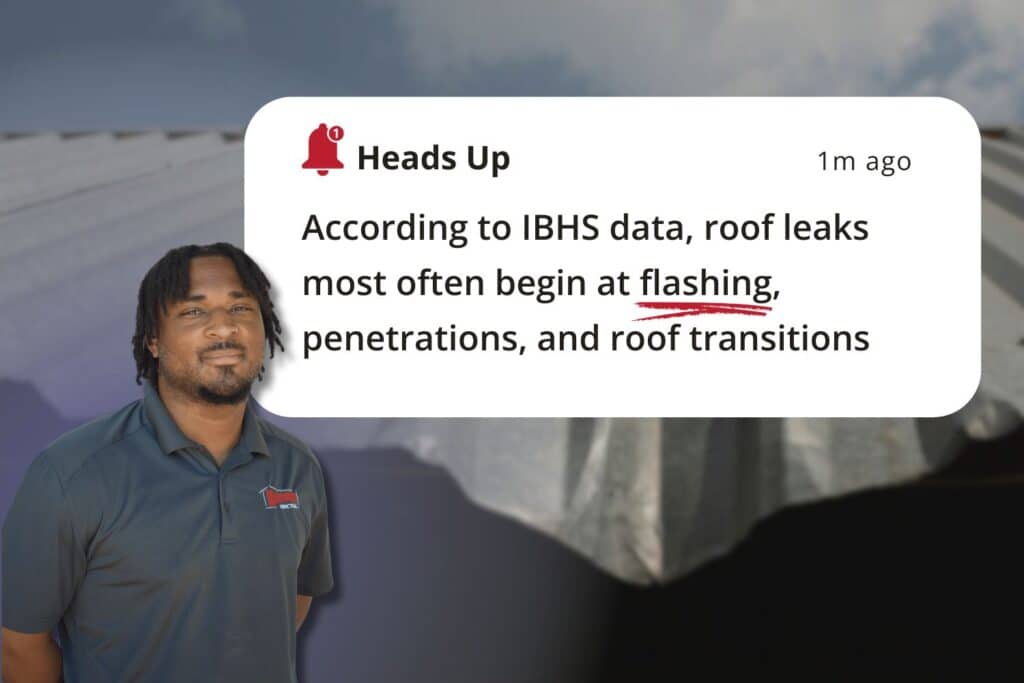
Research from the Insurance Institute for Business and Home Safety shows that water intrusion following storms is a primary cause of post-event insurance claims. Properly installed roof systems, including flashing, significantly reduce this risk.
How FORTIFIED Roof Standards Address Flashing
The FORTIFIED Roof standard was developed by the Insurance Institute for Business and Home Safety to reduce damage from severe weather. Flashing plays a key role in meeting these standards.
During a FORTIFIED evaluation, inspectors verify that flashing components are:
- Properly installed and integrated with the roof system
- Compatible with surrounding materials
- Free from visible deterioration or corrosion
- Installed at all required transitions and penetrations
Unlike basic roof inspections, FORTIFIED evaluations require documentation and verification that the roof system meets specific performance criteria. Flashing deficiencies can prevent certification or renewal.
Knockout Inspections performs FORTIFIED roof certifications and renewals, helping homeowners confirm their roof meets these higher standards and remains eligible for potential insurance benefits.
Why Flashing Matters for FORTIFIED Certification and Renewal
FORTIFIED certifications are valid for five years. During renewal evaluations, inspectors verify that roof components, including flashing, are still performing as intended.
Flashing problems discovered during renewal may indicate:
- Deferred maintenance
- Improper repairs were made after the original certification
- Material deterioration due to environmental exposure
Addressing flashing issues before certification or renewal inspections helps homeowners maintain compliance and avoid delays.
Roof Flashing, Insurance, and Long-Term Costs
Homes with well-documented roof systems that meet FORTIFIED standards may qualify for insurance discounts in certain states. Insurers recognize that properly installed roofing components reduce claim risk.
Conversely, homes with flashing defects are more vulnerable to:
- Wind-driven rain damage
- Repeated moisture intrusion
- Higher repair costs after storms
Industry studies consistently show that strengthening roof systems yields one of the highest returns on investment for storm mitigation.
Other Related Questions Homeowners Often Ask
What parts of the roof are most vulnerable to water intrusion?
Water problems often start at transitions, penetrations, and edges rather than in the middle of the roof surface. Areas like valleys, roof-to-wall intersections, and penetrations deserve closer attention during inspections.
How do inspectors evaluate roof components beyond shingles?
Inspectors look at how the entire roof system works together, including flashing, underlayment, edge metal, ventilation, and drainage. A roof that looks fine from the ground can still have hidden vulnerabilities.
Can roof issues affect other parts of the home?
Yes. Roof-related moisture problems can impact insulation, framing, ceilings, and even electrical components if water travels inside the structure.
What inspections are recommended after a major storm?
After severe weather, inspections can help identify damage that may not be immediately visible, especially at roof edges, flashing locations, and penetrations.
When to Call a Professional
A home inspection is appropriate when you want a broad evaluation of the roof and how it connects to the rest of the home. This is often useful during real estate transactions, routine maintenance planning, or when early signs of moisture are present.
A FORTIFIED roof evaluation is appropriate when homeowners want to verify that their roof meets higher performance standards designed to reduce storm damage. These evaluations are also required for initial FORTIFIED certification and periodic renewals.
A licensed roofing contractor should be contacted when repairs, corrections, or replacements are needed. Contractors address installation and material issues identified during inspections.
Understanding which professional to involve at each stage helps ensure roof concerns are identified accurately, addressed properly, and documented clearly for future reference.
Conclusion
Roof flashing may be small in size, but its impact on a home’s durability, safety, and value is significant. Poor flashing installation allows water to enter the home, leading to damage that often spreads beyond the roof itself.
Through professional inspections and FORTIFIED roof evaluations, Knockout Inspections helps homeowners identify flashing deficiencies, understand their risks, and protect their homes against severe weather. Book your service visit with our expert team today.